


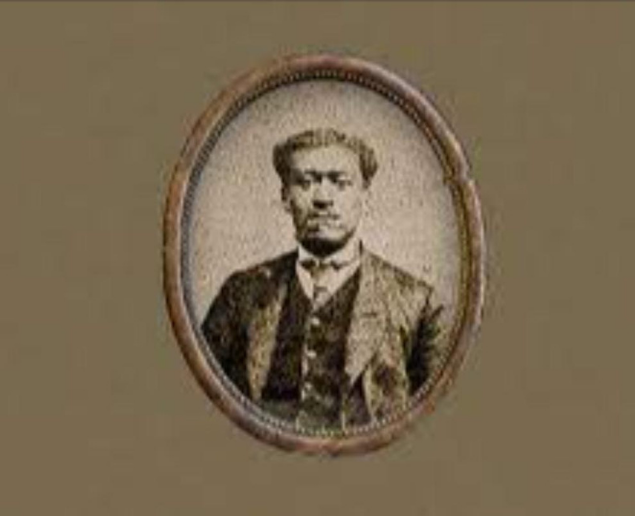
The Story of Samuel Morgan Smith – Black History Month 2026
During the Victorian period many people came to Britain from Africa, America and the Caribbean seeking refuge, to study or to find work. They joined the existing generations of Black British people living here, many of whom were part of a colonial workforce in the navy, army, and other industries.
Samuel Morgan Smith (1833 – 1882) was one such person. After training in Boston and New York he came to England with his wife and son where he became the actor/manager of a small theatre in Gravesend. As a Black man he had been excluded from appearing in many theatres in America, and may have heard of the success of Ira Aldridge, another Black actor, in Hull. Samuel became famous as a Black Tragedian in Britain. He played a number of Shakespearean roles and was an outstanding critical success, but his first season was poorly attended and a financial disaster. He next appeared in Birmingham and London in 1866 where he was hailed as a great triumph. After a successful career touring England, Scotland and Wales, by 1882 he was living in retirement in Sheffield. By now the family was extremely poor, their only income 8 shillings a week earned by his son. In March 1882 the Sheffield Telegraph reported him ‘prostrated’ on his sick bed at ‘making a gallant fight against starvation’. However Samuel was a Mason and the report goes on to say how ‘Fellow Masons have helped him freely and generously. If others care to assist a man of colour to die in comfort, Superintendent Gill will see that their aid reaches that shadowed home’. Samuel Morgan died of pneumonia a few days later. His career was summed up in the following words: he was ‘a superior performer, a talented and painstaking actor of intelligence, a careful elocutionist devoid of rant and exaggeration, whose personal and artistic life was governed by a sure sense of taste, good judgement, and proper deportment’.
Samuel is buried in the General Cemetery plot I4 611 in the Anglican area.
You can read more about Sheffield’s global connections in the SGCT publication Incomers.