

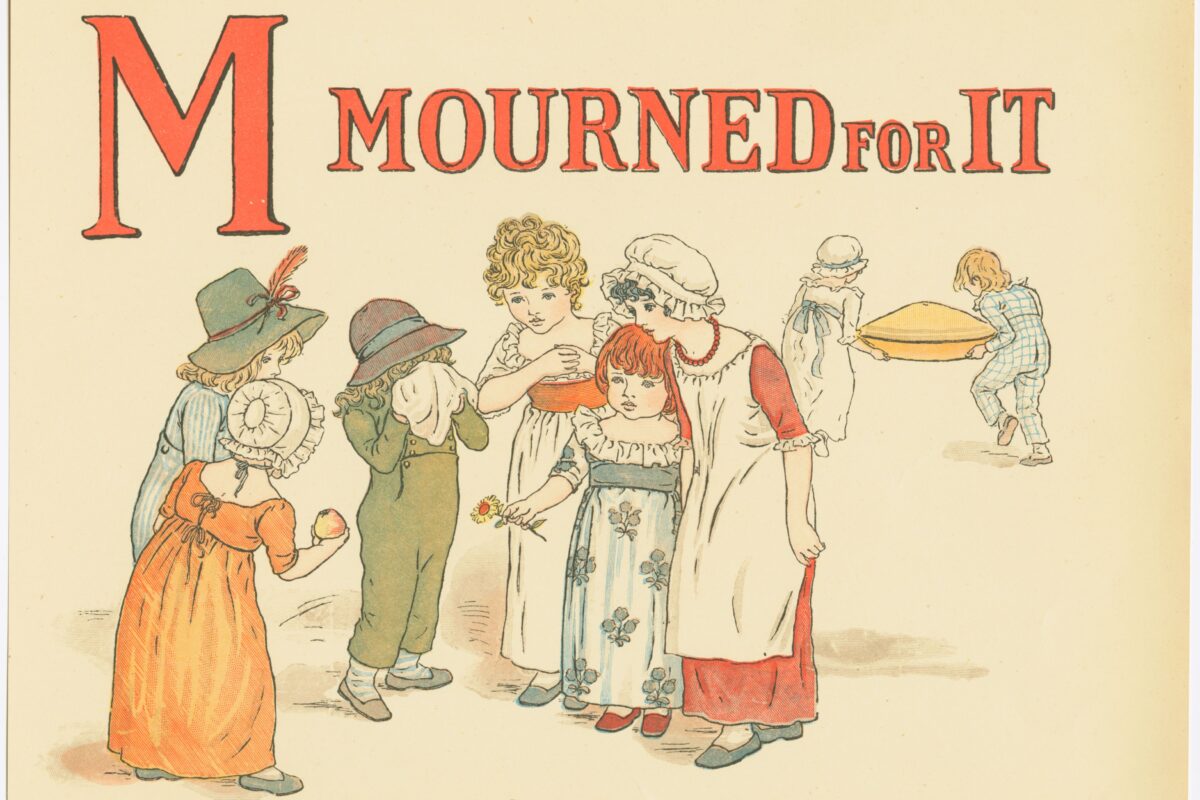
‘M Mourned for It’ – illustration from a nursery rhyme book from 1910 illustrating the fact that death was a frequent occurrence in those times, affecting children as much as adults. Source: New York Public Library.
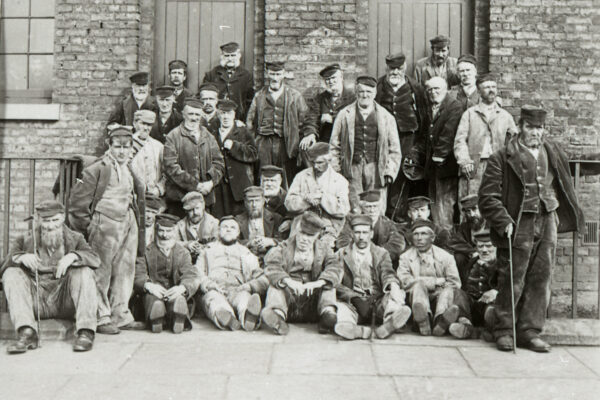
Death was ever present for most Victorian families to the extent that, where they had the means to do so, they began planning for it at an early age. Funerals were an expensive item for many families and in some cases individuals had more money spent on them dead than alive. Families who might be verging on destitution still earmarked money for funeral expenses through burial clubs. For the very poorest, including many who ended their days in the workhouse, the only option was a pauper funeral paid for by the Poor Law authorities.
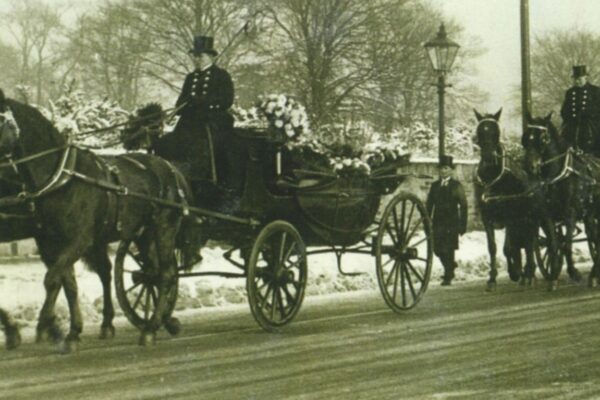
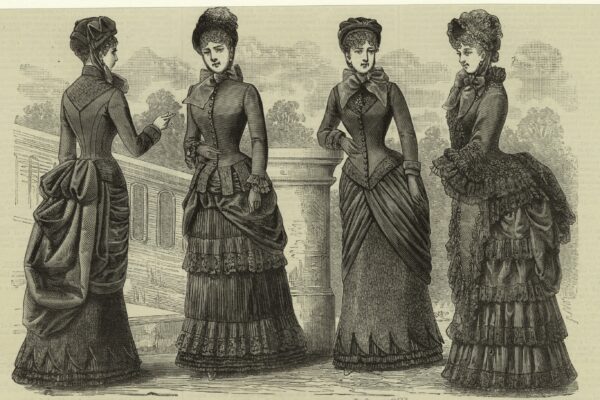
For many families this anticipation of an inevitable death meant that there was no need to imagine or guess at what the individual would have wanted for their funeral; types of coffins, sites for burials, and what the deceased would be dressed in would have been planned in advance, to the extent that women frequently made their own shrouds. The highly developed code of conduct that surrounded middle and upper class funerals of the time covered all aspects of the occasion, including the correct dress, forms of transport and appropriate food.
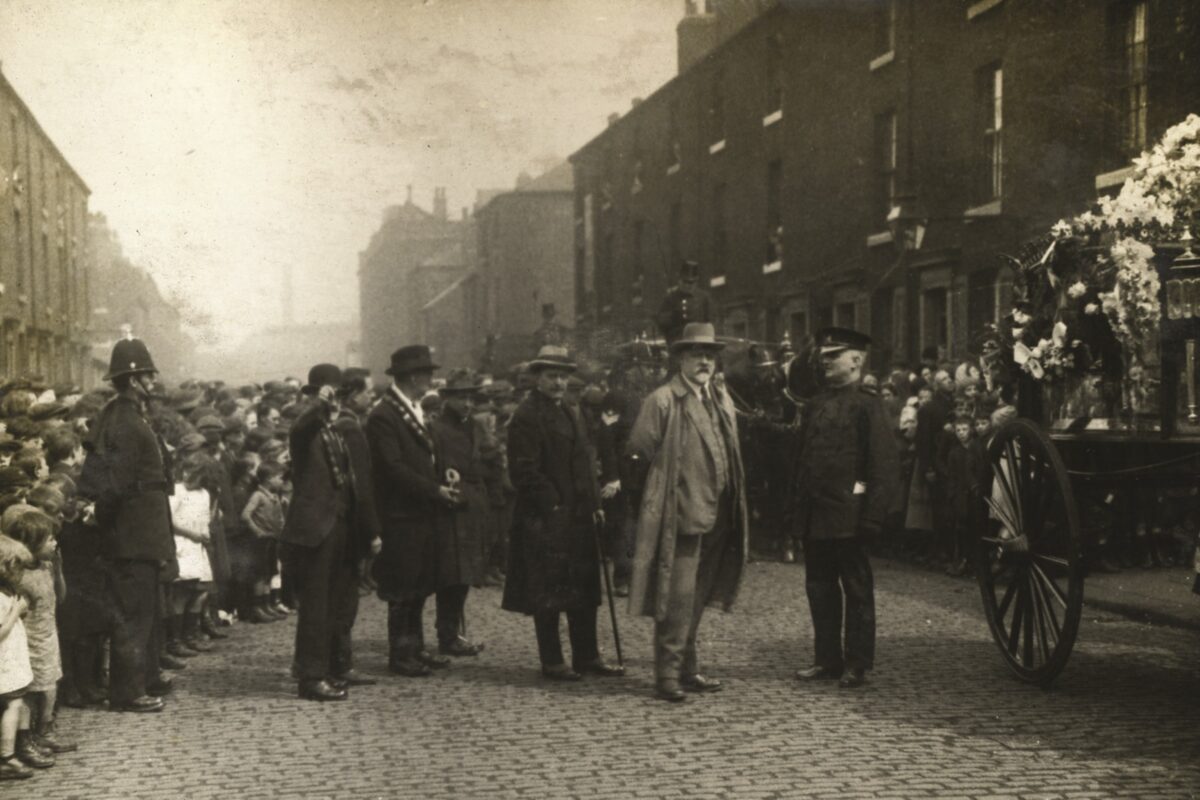
Crowd Watching a Funeral Procession. Source: Jason Heath.
And, in the days when public entertainment was limited – to the theatre or the pub on the one hand, or the church or chapel on the other – funeral processions offered street entertainment, sometimes becoming disorderly and riotous. When notable Sheffield citizens, such as Mark Firth and James Montgomery, were buried their funerals attracted many thousands of mourners and closed businesses for the day.